The role of hair cells
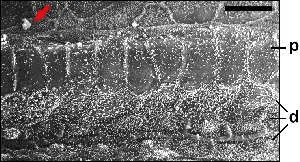
Inside the cochlea, sensory cells respond to vibration. Inner hair cells drive much of the signal sent along auditory nerve fibers; outer hair cells provide active mechanical effects that support sensitivity and frequency selectivity. Damage can make soft sounds harder to detect and can reduce clarity even after sound is amplified.
Many causes, one broad pattern
Age, noise exposure, genetic factors, certain medications, infections and other conditions can contribute to sensorineural hearing loss. A similar audiogram can arise from different histories. An online page cannot identify the cause from a curve or symptom list.
Why speech can be difficult
Audibility is only one part of communication. Reduced frequency resolution, missing high-frequency cues and changes in neural coding can make speech in noise especially demanding. This is why a person may say “I hear you, but I cannot understand you.” The useful plan combines technology with communication strategies and realistic outcome measures.
A worked scenario
A worker hears a supervisor in a quiet office but misses details during a team meeting. The audiogram slopes at higher frequencies and word recognition is strong in quiet. Directional hearing aids may help, but a remote microphone that places the talker’s signal close to the listener can address distance and room noise more directly. The best solution follows the task, not only the diagnostic label.
Next steps and red flags
Audiologists assess hearing and non-medical rehabilitation options; ENTs evaluate medical and surgical questions. Seek prompt care for sudden hearing loss or a rapid unexplained change. New one-sided symptoms, drainage, significant dizziness or neurologic symptoms also deserve professional attention.
Rehabilitation is more than amplification
Rehabilitation can include device fitting, verification, communication strategies, auditory training, counseling and changes to the environment. Real-ear measurements and other verification methods help determine whether hearing-aid output matches a prescriptive target, but benefit also depends on comfort, use, speech access and the person’s goals.
Track two or three concrete situations—such as a weekly meeting, a family meal and a phone call—rather than judging only whether sound is louder. If a device is not helping, the useful response is to review fit, programming, expectations and task-specific accessories, not simply to abandon all support.
Build an evidence record
Sensorineural patterns generally show reduced air and bone thresholds without a meaningful conductive gap, but reliability, masking, speech results, symmetry and history still shape interpretation.
Write the date, ear or listening condition, equipment or service involved and the decision the evidence is meant to support. Preserve the original report or agreement rather than a cropped screenshot. When two results disagree, record the mismatch and ask what additional check would resolve it. Reliable decisions make uncertainty visible instead of silently converting it into certainty.
Worked decision
A listener has a bilateral sloping pattern and reports loudness without clarity in noise. Verified hearing aids improve access, while a remote microphone addresses distance that amplification alone cannot overcome.
This example shows why the same label can lead to different actions. The recommended next step follows the measured barrier, urgency and complete context. It does not assume that a more expensive device, a louder setting or a single test result is automatically more useful.
Prepare and verify the next step
Ask about onset, noise, medications, family history, tinnitus and balance symptoms. Track ear-specific changes and define functional goals before selecting technology.
Choose a repeatable task and define success before the change. Record distance, noise, speaker, program, comfort, handling and any failure. Repeat the task after adjustment and keep a backup communication route while evidence is incomplete or equipment is unavailable.
At follow-up, compare the result with the original goal rather than asking only whether the person “likes it.” Confirm what improved, what remained difficult, whether setup was independent and whether the solution worked for other speakers or rooms. Document maintenance, repair and retesting responsibilities so a successful trial can become dependable daily access.
Share only the information needed for the decision. A clinician may need symptoms and test history, while an employer may need the functional barrier and proposed access method rather than a complete medical record. Clear boundaries protect privacy and keep the discussion focused on the task.
Important boundary
The audiogram cannot separate every cochlear and neural explanation, predict exact speech benefit or determine medical urgency without symptoms and history.
Seek prompt professional care for sudden hearing change, severe pain, drainage, acute dizziness, neurologic symptoms or a retained object. Product features, policies and official guidance can change; verify current instructions and primary sources when the decision affects health, safety, money or legal rights.
Sources and review notes
Sources were checked for this editorial update on September 26, 2026. External guidance can change; follow the linked source for the current version.
This page provides education, not an individual diagnosis, treatment plan, legal opinion or billing decision. Historical expert contribution is credited only where supported by the original project record; it does not imply review of this update.