Types of outputs
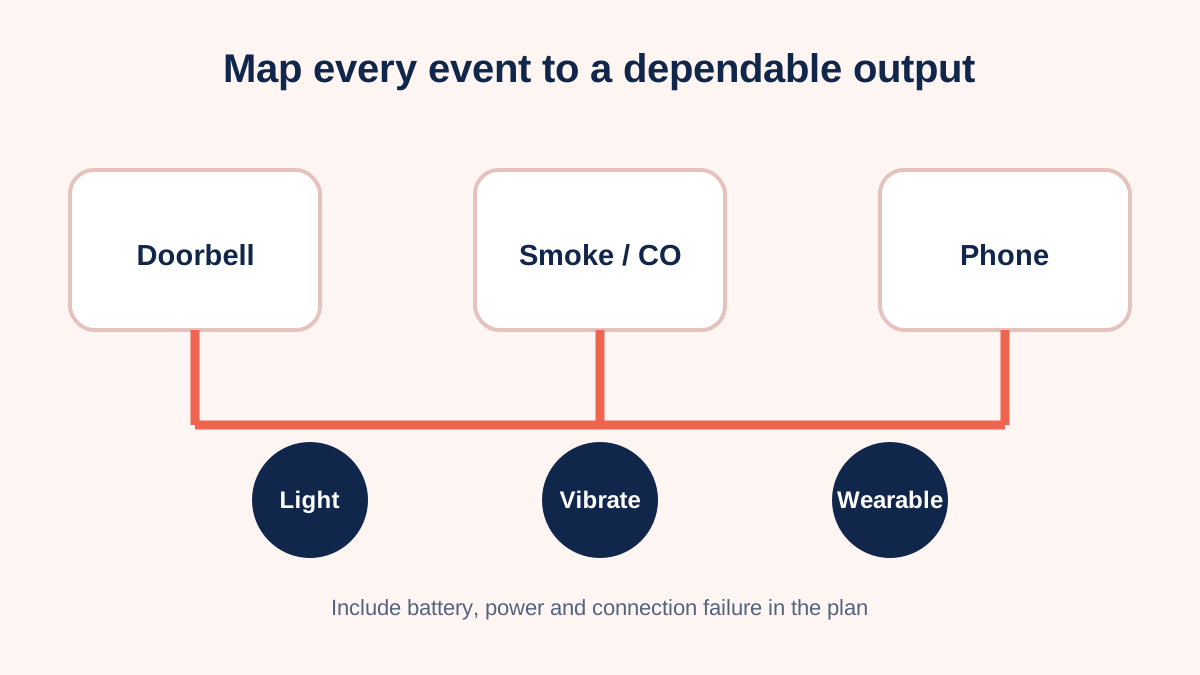
Alerting systems can flash a lamp, vibrate a bed shaker or wearable, increase low-frequency sound, display text or send a connected notification. A central receiver may combine several transmitters, while other products handle only one event.
Safety devices need special scrutiny
Smoke and carbon-monoxide notification is life safety, not a convenience feature. Use products and installation methods appropriate to applicable safety requirements. Confirm placement, interconnection, battery backup and testing instructions rather than assuming a consumer smart-home notification replaces an approved alarm.
Coverage and failure modes
Test the alert from the bedroom, shower, yard and workplace stations where it must be noticed. Consider power outages, Wi-Fi failure, a muted phone, a removed wearable and depleted batteries. A clear low-battery signal and a routine test schedule are part of the product’s usefulness.
Worked household map
A household lists five events: smoke/CO, doorbell, alarm clock, baby monitor and phone. Each event is assigned a primary and backup output. Smoke alarms use an appropriate interconnected visual/vibrating system; the doorbell and phone use smart notifications. Monthly tests are placed on the calendar.
Workplace coordination
Personal devices may not receive a building-wide emergency message or machine alarm. Ask how accessible alerts are provided in every assigned location, during evacuation and when personal electronics are restricted. Include drills and maintenance responsibilities in the plan.
Build an alert inventory by location
Walk through a normal day and list events that require attention: waking, visitors, appliance timers, calls, a child, weather warnings, building announcements, machinery and fire or carbon monoxide alarms. For each event, record where the person may be, how urgent it is, the primary output and a backup. A bedroom solution may need strong vibration, while a bright visual alert may be more useful in a busy work area.
Avoid making every alert look or feel identical. Users need to distinguish an emergency from a routine doorbell or message. Products may use different flash patterns, vibration sequences or text labels. Confirm that these distinctions remain understandable at night and during stress.
Test the system, not just each device
Connected products depend on sensors, hubs, routers, accounts, phones and power supplies. Test what happens when one layer fails. Safety-critical notification needs an appropriate independent route and battery backup. Shared households and workplaces should know who changes batteries, responds to fault signals and replaces discontinued components.
At work, include accessible alerts in drills. A wearable may not be permitted in every area, and a flashing device may not be visible from every station. Temporary assignments, restrooms, outdoor areas and evacuation assembly points belong in the assessment. Review the plan when the workspace, schedule or communication system changes.
Purchasing and replacement questions
Confirm whether a product is a notification accessory or an alarm intended for life-safety use. Ask about required hubs, subscriptions, internet access, phone permissions, replacement batteries and end-of-life signals. Check whether components from different generations work together and what happens if the vendor’s cloud service stops.
Keep model numbers, installation dates and test instructions near the system. Household members or workplace staff should know how to recognize a fault. Replace devices according to applicable instructions and safety requirements. Convenience alerts may be customized freely; safety systems need a more conservative, documented approach.
Include other people in the plan
Family members, roommates, supervisors and safety staff need to understand which alerts are accessible and what response is expected. Avoid creating a system that only one technically confident person can maintain. Demonstrate the test procedure, keep instructions available and include the user in drills. A redundant plan is especially important during sleep, power loss, travel and unfamiliar work assignments, when ordinary visual cues may be absent.
This guide does not certify a safety product or installation. Follow current product instructions and applicable building, fire and workplace requirements. When in doubt, involve the responsible safety authority or a qualified installer.
Build an evidence record
Alerting systems combine a detector or source, transmitter, receiver, output, power and maintenance procedure. Life-safety equipment must satisfy applicable approval and installation requirements.
Write the date, ear or listening condition, equipment or service involved and the decision the evidence is meant to support. Preserve the original report or agreement rather than a cropped screenshot. When two results disagree, record the mismatch and ask what additional check would resolve it. Reliable decisions make uncertainty visible instead of silently converting it into certainty.
Worked decision
A flashing receiver is visible in the living room but not during sleep. A tested bed shaker and battery-backed path are added rather than assuming one visual output covers the home.
This example shows why the same label can lead to different actions. The recommended next step follows the measured barrier, urgency and complete context. It does not assume that a more expensive device, a louder setting or a single test result is automatically more useful.
Prepare and verify the next step
Inventory events room by room, include mains and network failure, assign testing and replacement responsibility and verify outputs from occupied positions.
Choose a repeatable task and define success before the change. Record distance, noise, speaker, program, comfort, handling and any failure. Repeat the task after adjustment and keep a backup communication route while evidence is incomplete or equipment is unavailable.
At follow-up, compare the result with the original goal rather than asking only whether the person “likes it.” Confirm what improved, what remained difficult, whether setup was independent and whether the solution worked for other speakers or rooms. Document maintenance, repair and retesting responsibilities so a successful trial can become dependable daily access.
Share only the information needed for the decision. A clinician may need symptoms and test history, while an employer may need the functional barrier and proposed access method rather than a complete medical record. Clear boundaries protect privacy and keep the discussion focused on the task.
Important boundary
Wearables and sound-recognition apps may supplement but should not replace required smoke, carbon-monoxide or workplace alarms.
Seek prompt professional care for sudden hearing change, severe pain, drainage, acute dizziness, neurologic symptoms or a retained object. Product features, policies and official guidance can change; verify current instructions and primary sources when the decision affects health, safety, money or legal rights.
Sources and review notes
Sources were checked for this editorial update on October 12, 2026. External guidance can change; follow the linked source for the current version.
This page provides education, not an individual diagnosis, treatment plan, legal opinion or billing decision. Historical expert contribution is credited only where supported by the original project record; it does not imply review of this update.