

Cochlear implants
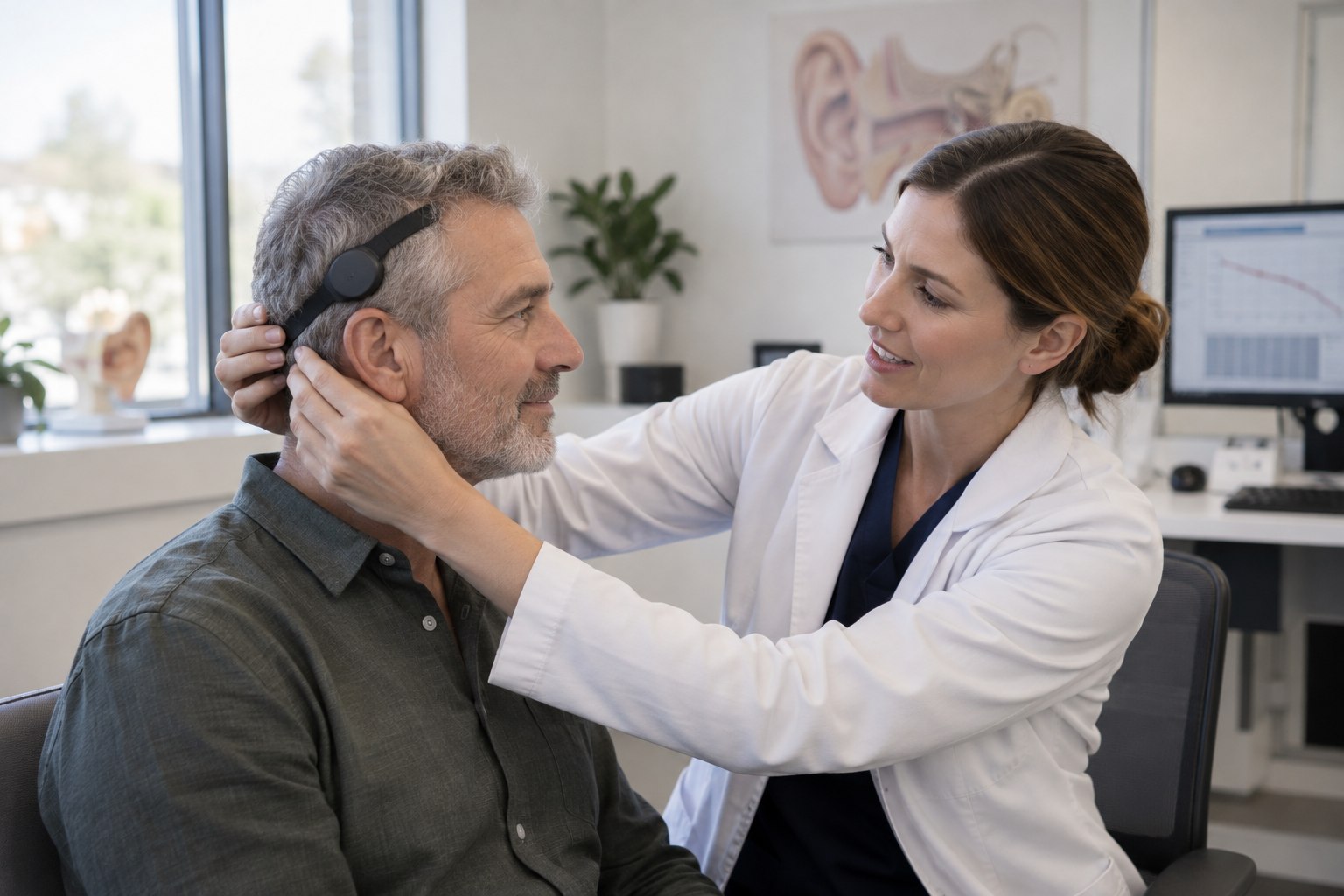
- Bypass damaged inner-ear sensory cells
- Require aided testing and a specialist team
- Continue with activation, mapping and rehabilitation
Plain-language, sourced guidance for hearing tests, technology, workplace communication and access.
Educational information. Sudden hearing change or urgent symptoms need prompt professional care.

Use guided tools, complete learning articles and worked examples to connect a hearing result with technology, communication and the next practical decision.
Browse the complete learning centerEach pathway solves a different access problem. Start with how it carries sound, who evaluates it and what must be tested in real life.


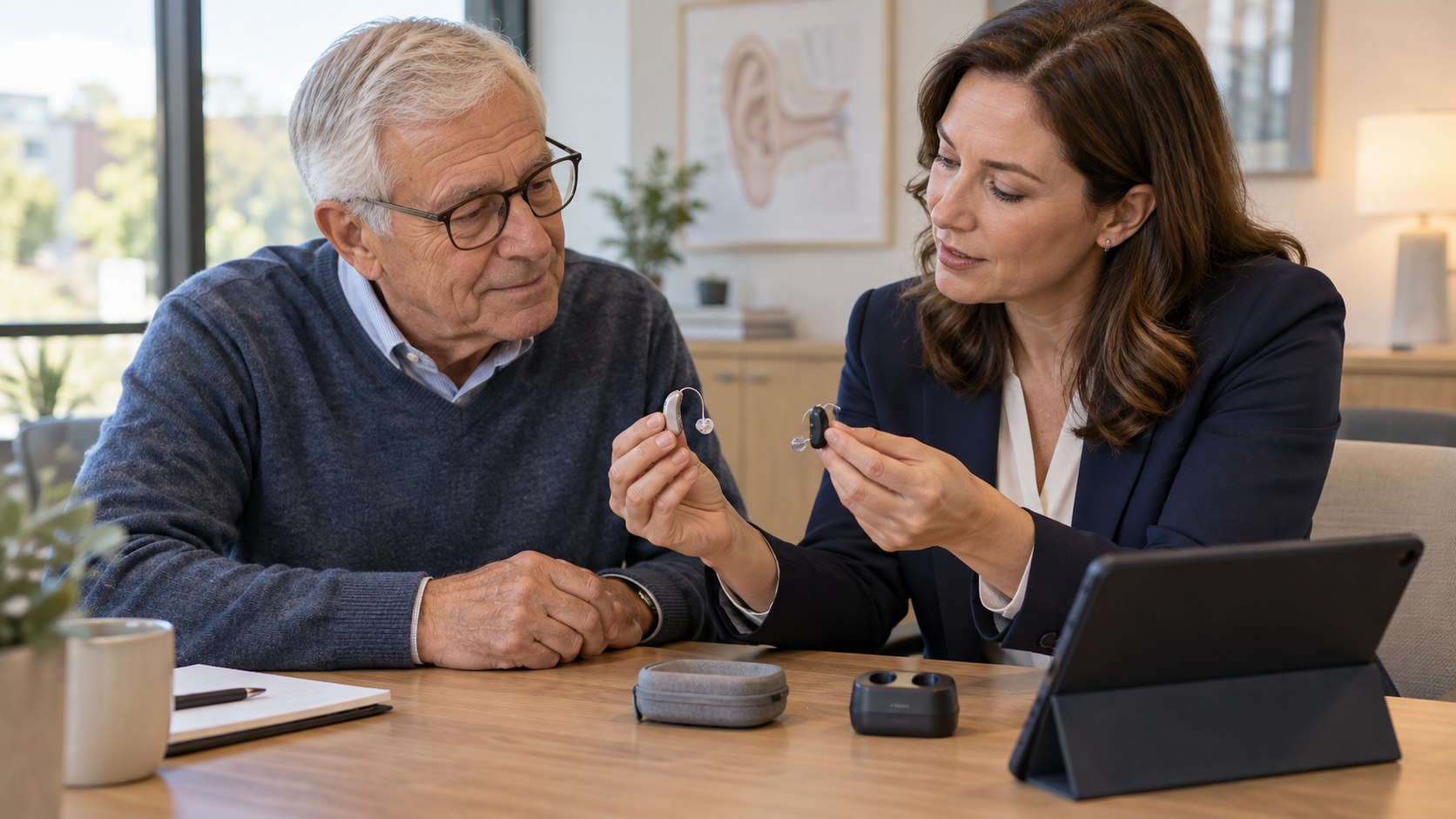
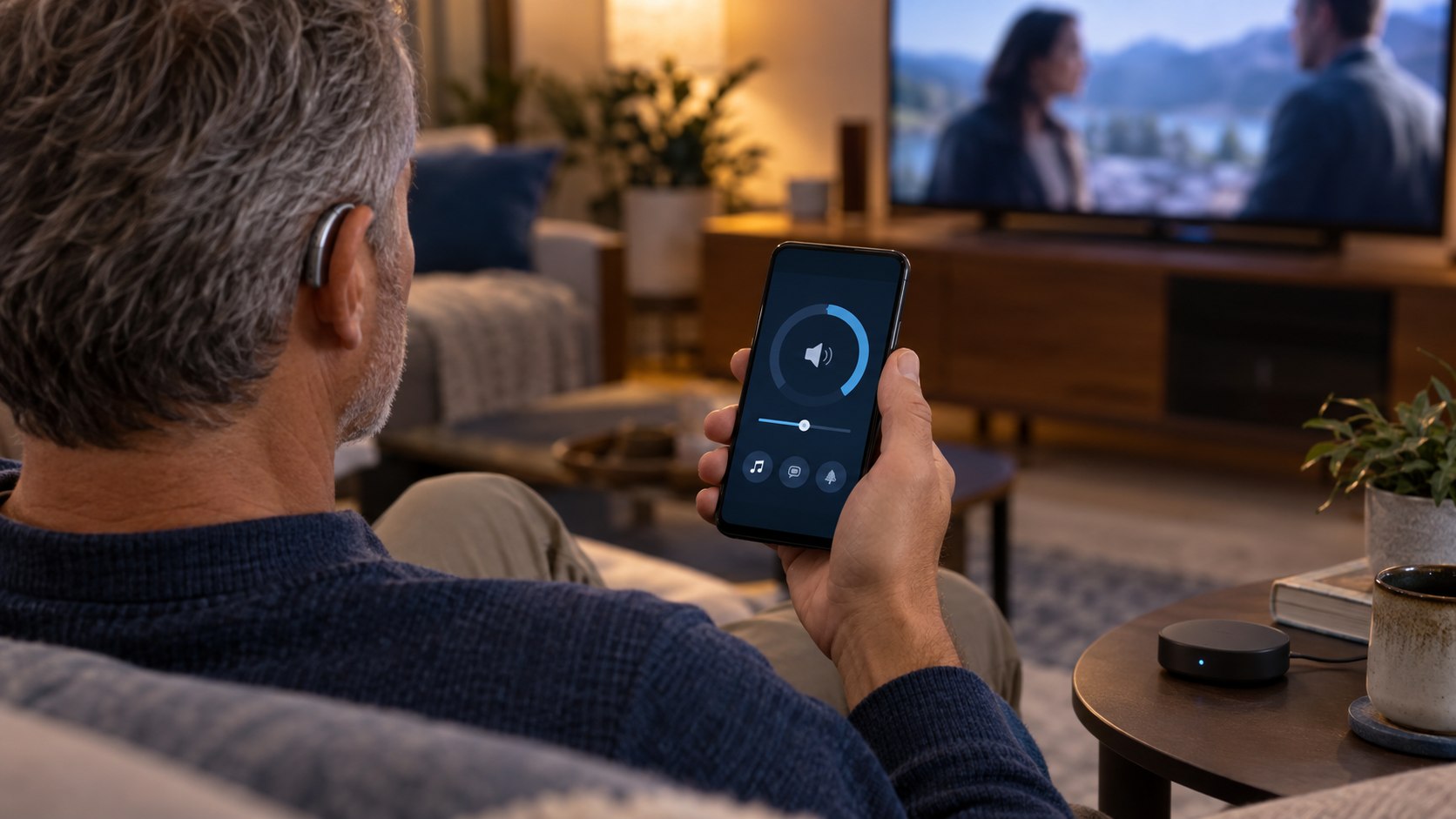
Compare hearing-aid form factors, CROS/BiCROS, bone-conduction systems, implants, remote microphones, captions and alerting products by strengths, limits and suitable situations.
Open the product & technology guide → Browse all technology lessons →
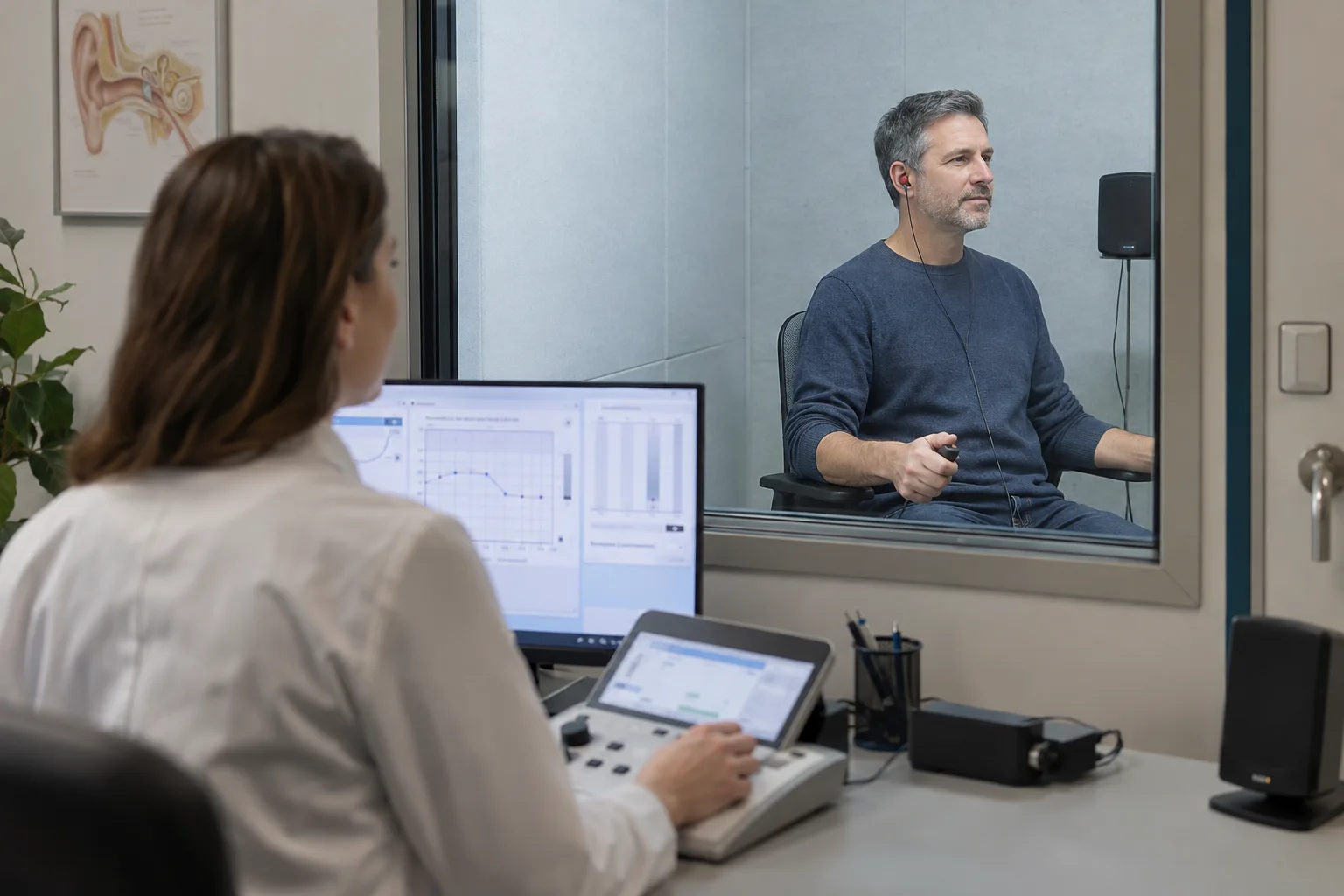
Quiet speech testing can miss the problem that brought someone to the clinic. Speech-in-noise testing samples performance when a target competes with other sound.
Read guide
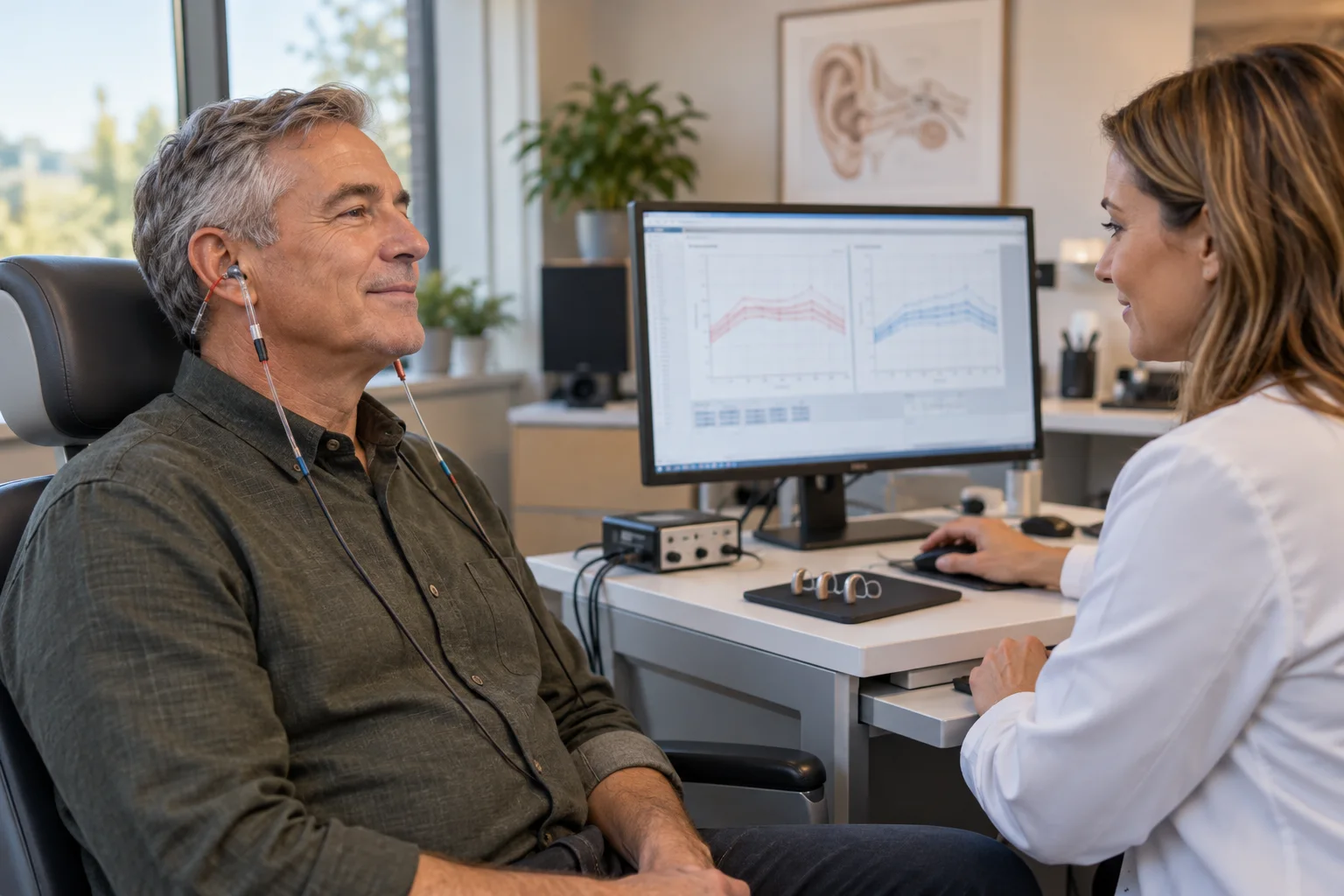
Programming should begin with verified audibility and safe output, then use specific real-world evidence to address comfort and communication goals.
Read guide
A useful request connects a specific job task to an access barrier and a workable way to evaluate possible support.
Read guideA test result is useful only when it connects to communication, technology and the environments that matter.
Understand what each test adds and where uncertainty remains.
Connect the pattern to symptoms, history and professional evaluation.
Compare devices, communication strategies and workplace access.

The expanded Work & Rights center now covers communication, accommodation requests, disclosure, accessible interviews and meetings, emergency alerts, vocational rehabilitation and verification routes for changing rules.
Open the Work & Rights centerCurrent additions from the published library, with synchronized listing and article imagery.

Interview access should preserve the ability to understand and respond; it should not turn the interview into a technology test.
Read guide
Emergency access needs redundant, maintained routes. A phone notification or coworker tap should not silently become the only plan.
Read guide
A loop can deliver a venue or counter signal directly to a compatible telecoil, reducing distance and room noise without private pairing.
Read guide
Tinnitus is a perception, not a single disease. Evaluation looks for hearing and medical context, functional impact and red flags rather than promising one universal cure.
Read guide
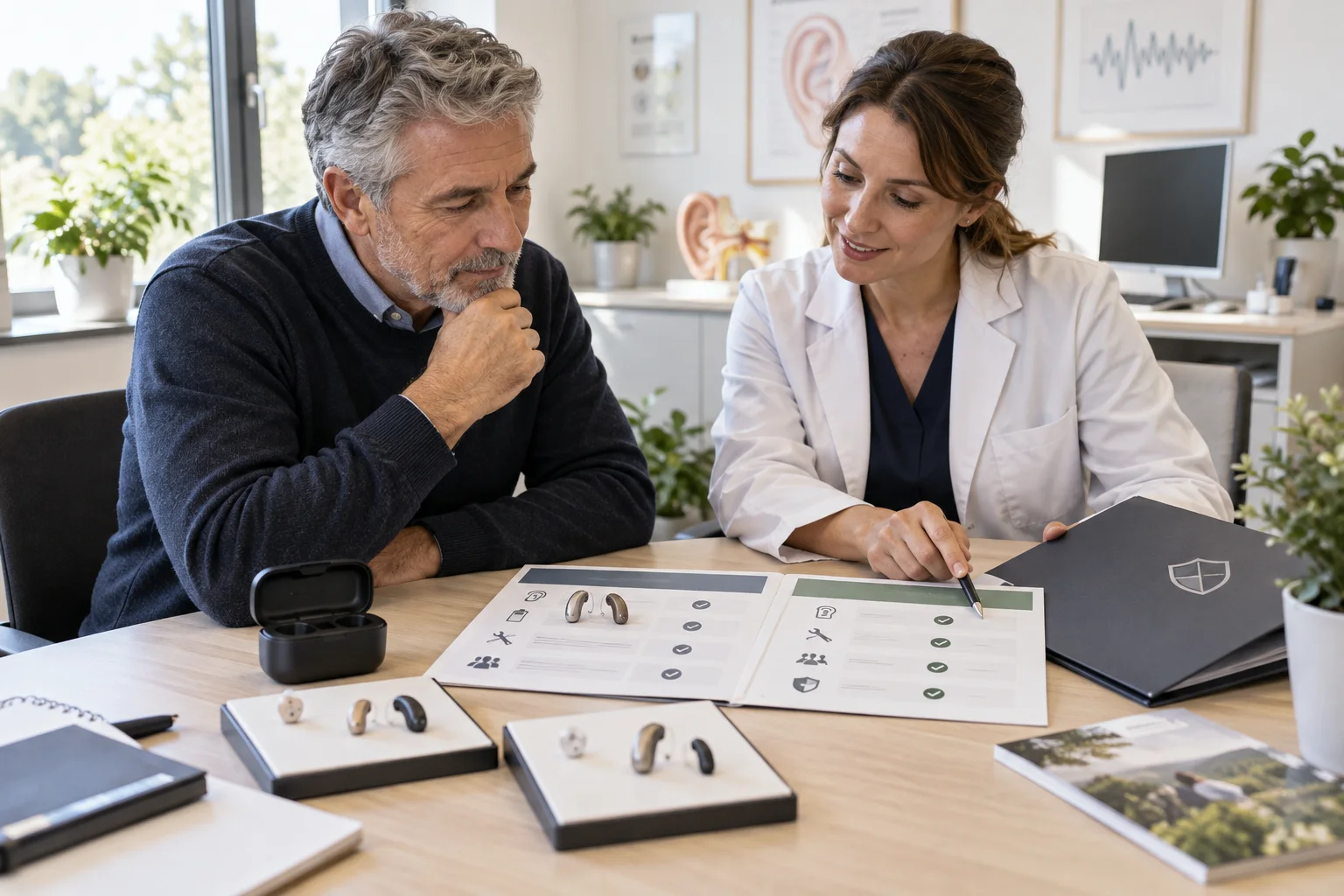
The least expensive quote is not always the lowest total cost, and the highest technology tier is not automatically the best functional match.
Read guide
Captions alone do not fix poor microphones, overlapping speech or missing context. Meeting access is a complete communication chain.
Read guide