

Work & Rights
Workplace Communication With Hearing Loss
The most useful request describes the work task and communication barrier before naming a device.
Read guideContinue browsing evidence-led explanations, worked examples and next-step checklists.
The most useful request describes the work task and communication barrier before naming a device.
Read guide
Trial and return terms can come from state law, seller policy or manufacturer policy. Get the exact terms in writing before paying.
Read guide
A code identifies a service; it does not by itself prove coverage, payment, medical necessity or correct billing for a specific encounter.
Read guide
The Act contains several sections with different covered entities and duties. Start by identifying the employer, program or technology involved.
Read guide
A useful employment plan connects a specific goal with barriers, services, responsibilities and a way to tell whether support worked.
Read guide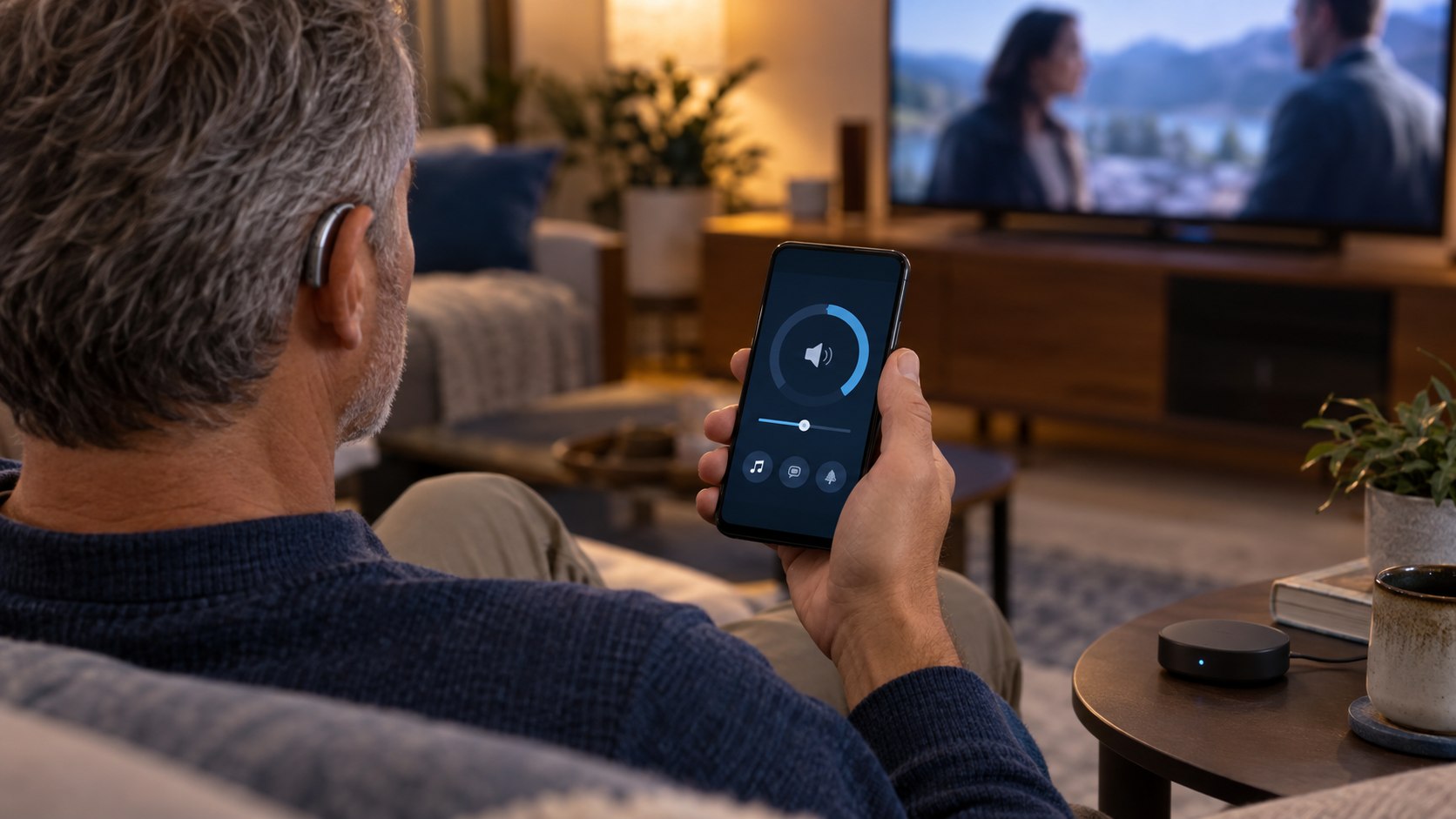
The important difference is not simply where a device is sold. Compare who the product is designed for, how it is fitted, what support is included and what happens when the first setup does not work.
Read guide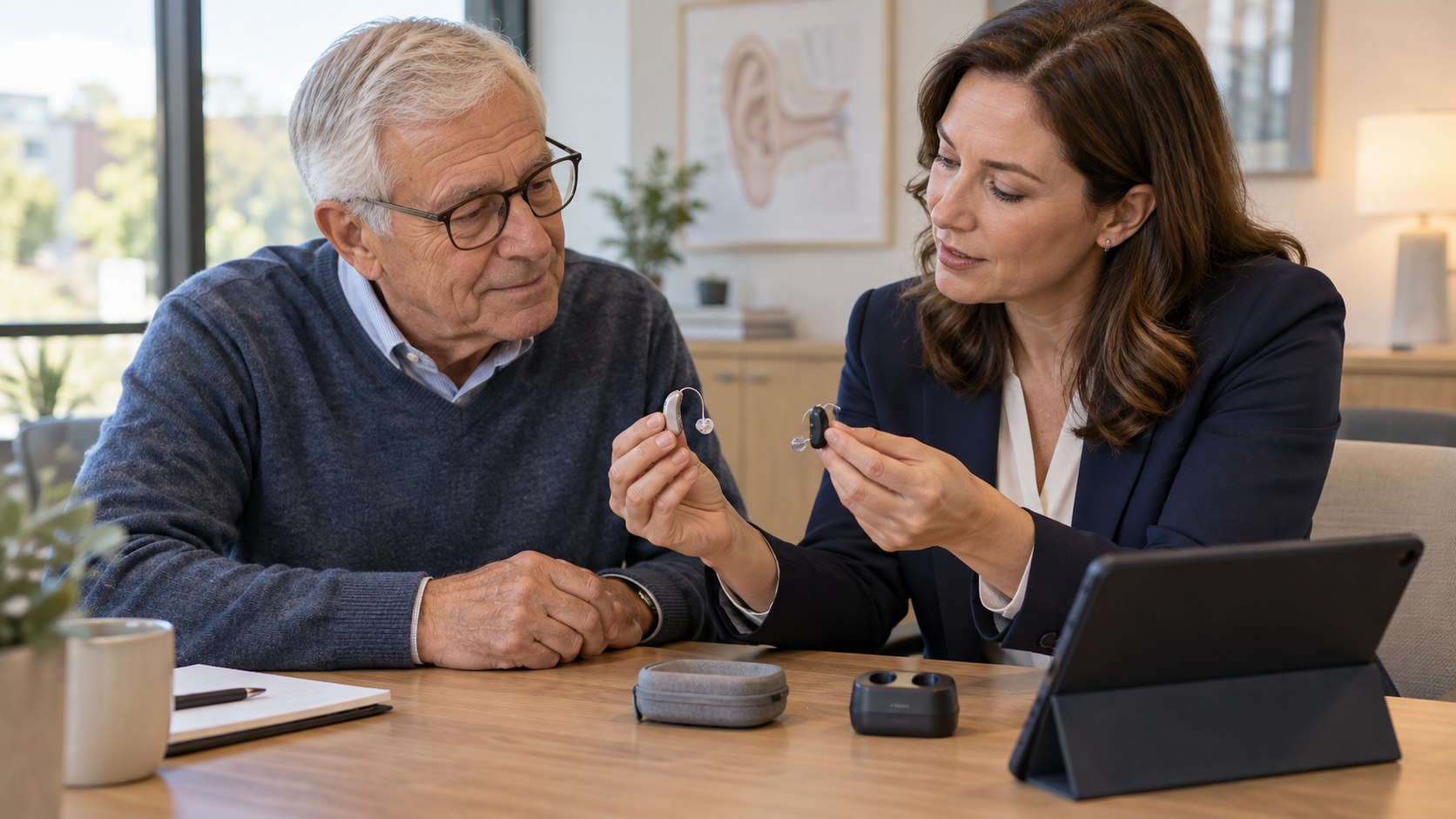
Smaller is not automatically better. Style affects available power, physical controls, moisture exposure, microphone position, wax maintenance and accessory compatibility.
Read guide
These systems can improve access to sound arriving on a poorer-hearing side, but they do not recreate normal two-ear hearing or guarantee sound localization.
Read guide
A remote microphone improves the signal before distance, room reflections and competing noise do their damage.
Read guide