
Devices & Technology
Captions for Meetings, Calls and Training
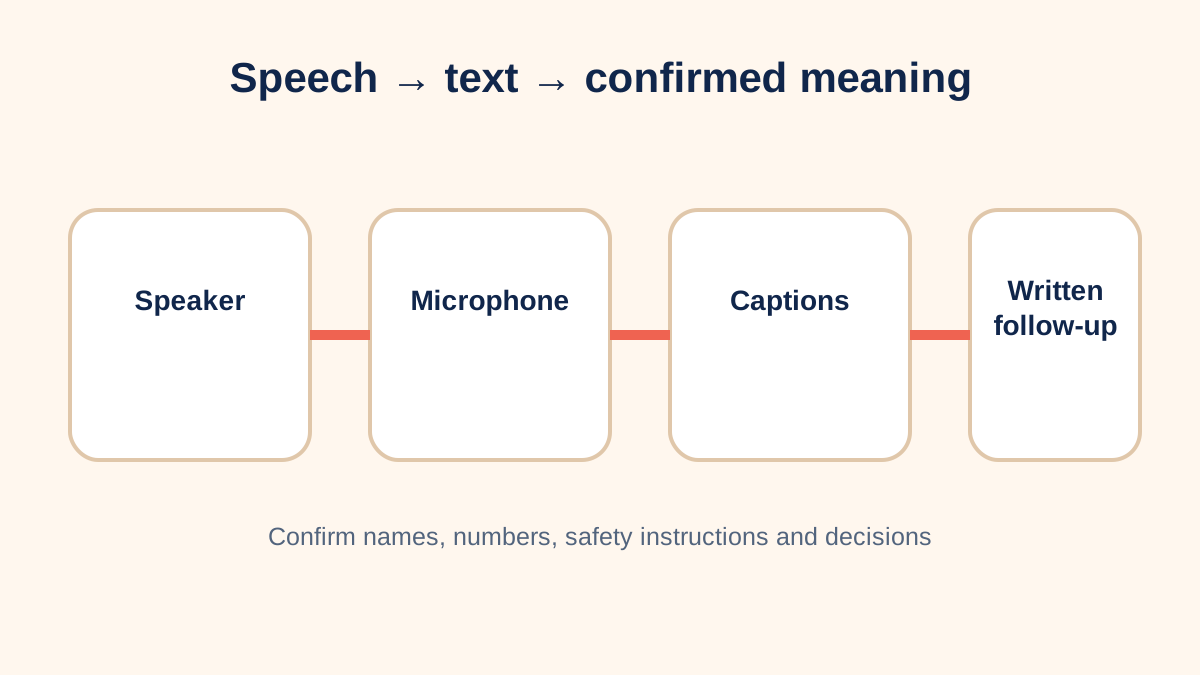
Captions create a visual channel for speech, but accuracy, delay, speaker labels and confidentiality differ by service and setting.
Read guideMatch hearing devices and access technology to the pathway, setting and communication task.
Captions create a visual channel for speech, but accuracy, delay, speaker labels and confidentiality differ by service and setting.
Read guide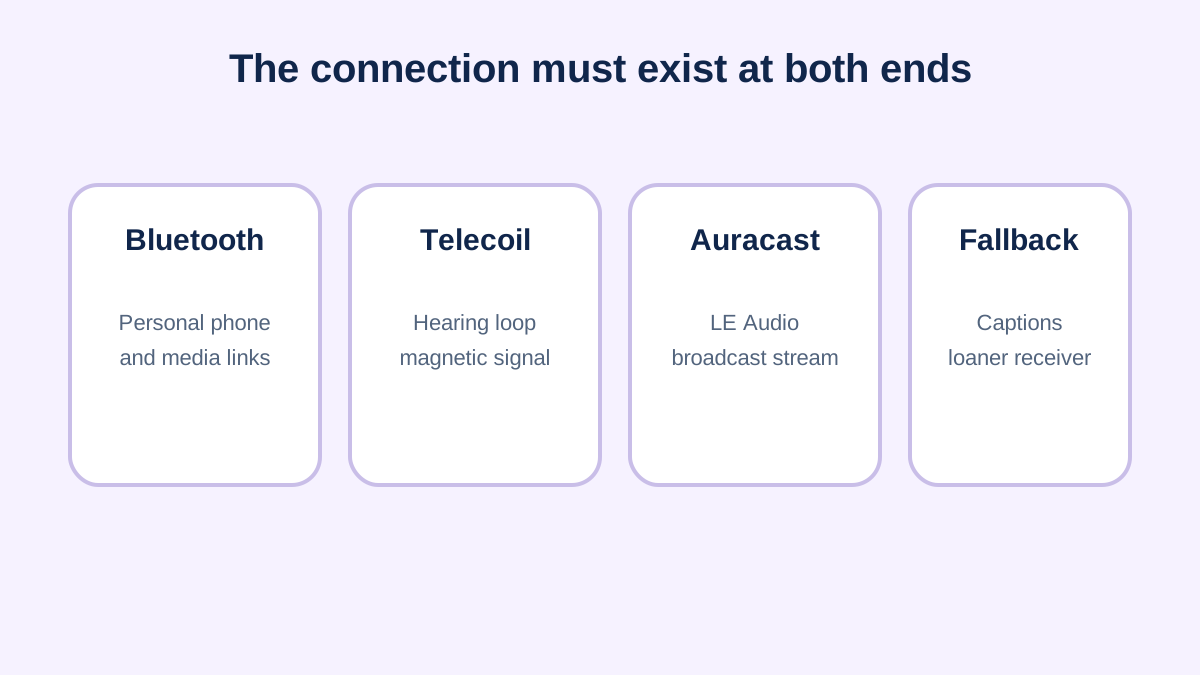
These names describe different connection paths. A device supporting one path does not automatically receive the others.
Read guide
A remote microphone improves the signal before distance, room reflections and competing noise do their damage.
Read guide
These systems can improve access to sound arriving on a poorer-hearing side, but they do not recreate normal two-ear hearing or guarantee sound localization.
Read guide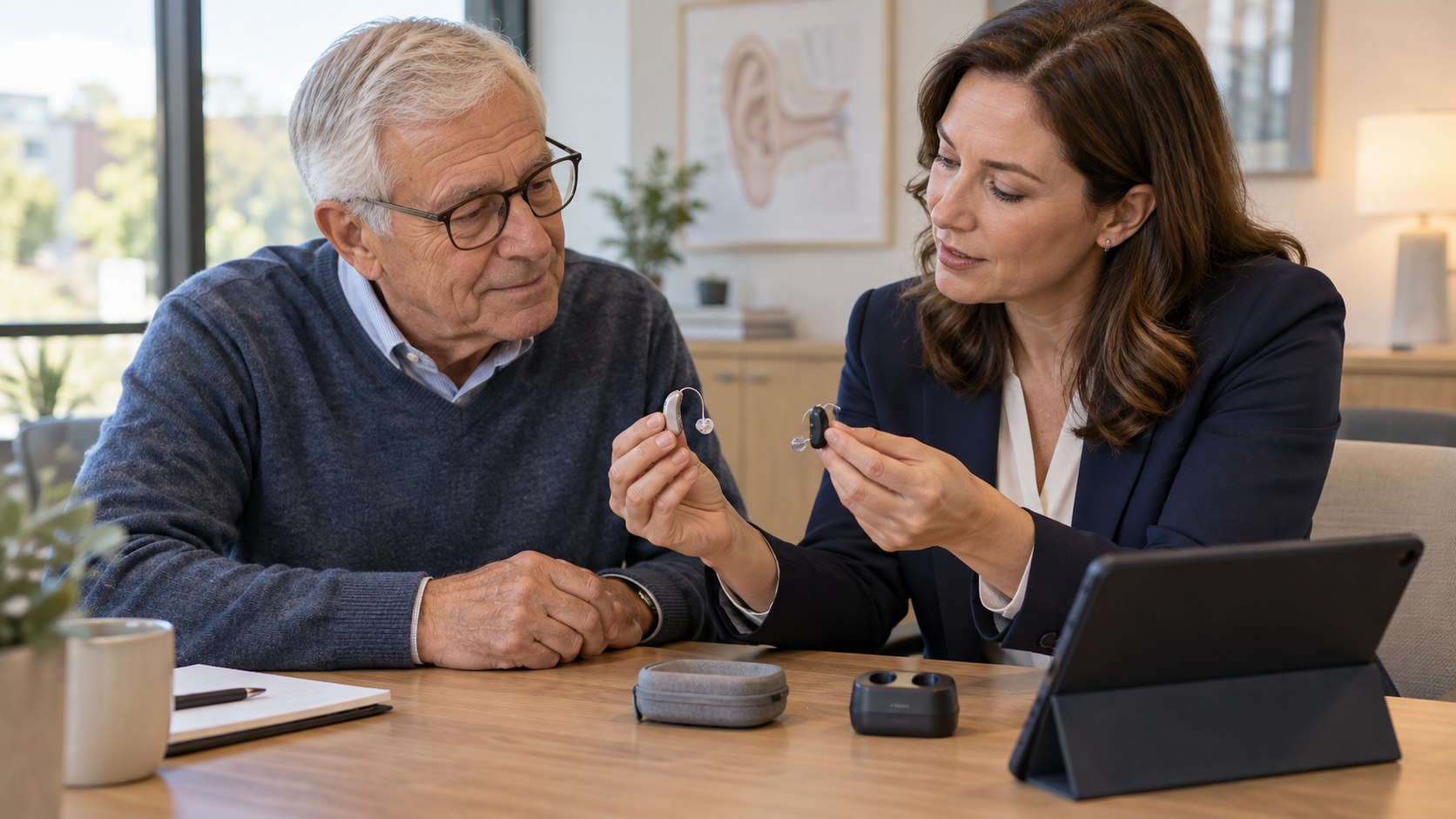
Smaller is not automatically better. Style affects available power, physical controls, moisture exposure, microphone position, wax maintenance and accessory compatibility.
Read guide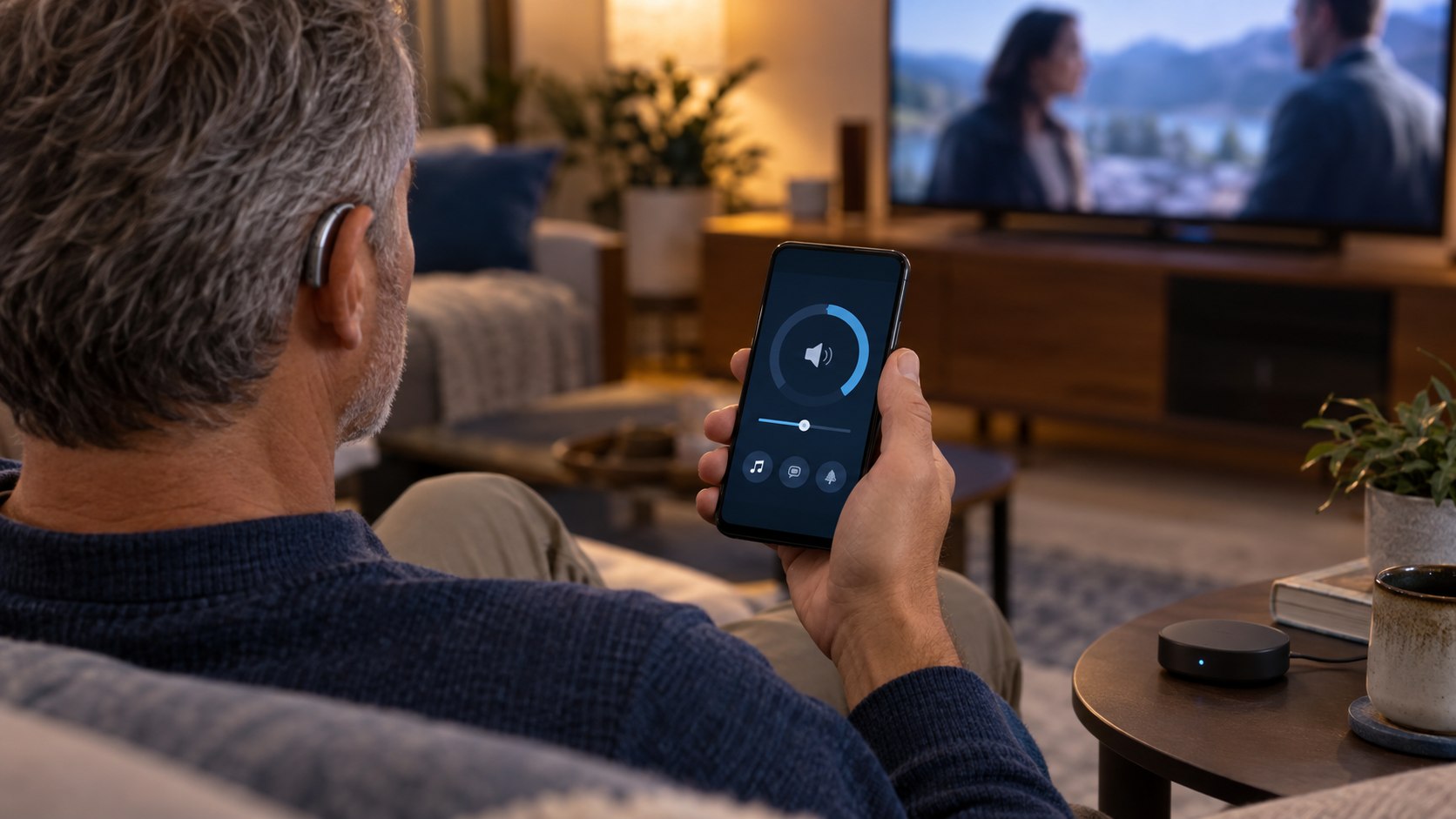
The important difference is not simply where a device is sold. Compare who the product is designed for, how it is fitted, what support is included and what happens when the first setup does not work.
Read guide
Phone and alert access works best when the primary channel and the backup are planned together.
Read guide
Start with the listening task—distance, noise, telephone access or an alert—then compare technology.
Read guide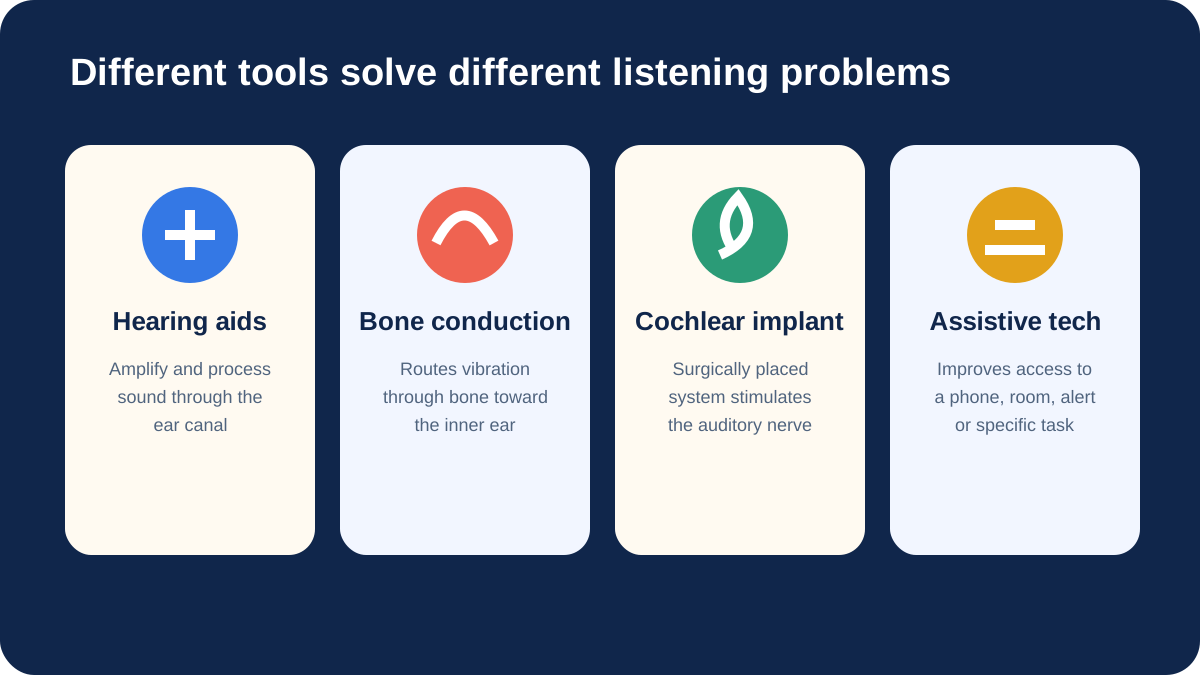
These technologies are not interchangeable upgrades. Each follows a different pathway and candidacy process.
Read guide